Birds are living dinosaurs
Non-avian dinosaurs disappeared at the end of the Cretaceous, but avian dinosaurs survived. In other words, pigeons, owls, penguins and crows are part of the same deeper story as Tyrannosaurus.
252–66 million years ago
A multi-page English field guide with museum photographs: overview, periods, an interactive timeline, a genus gallery with local Wikimedia Commons fossils and mounts, videos, extinction science, resources—and a playful “which dinosaur are you?” quiz.
Each section opens on its own page. Animal pictures are life restorations; maps, tracks, eggs and the K–Pg layer stay as field photos.
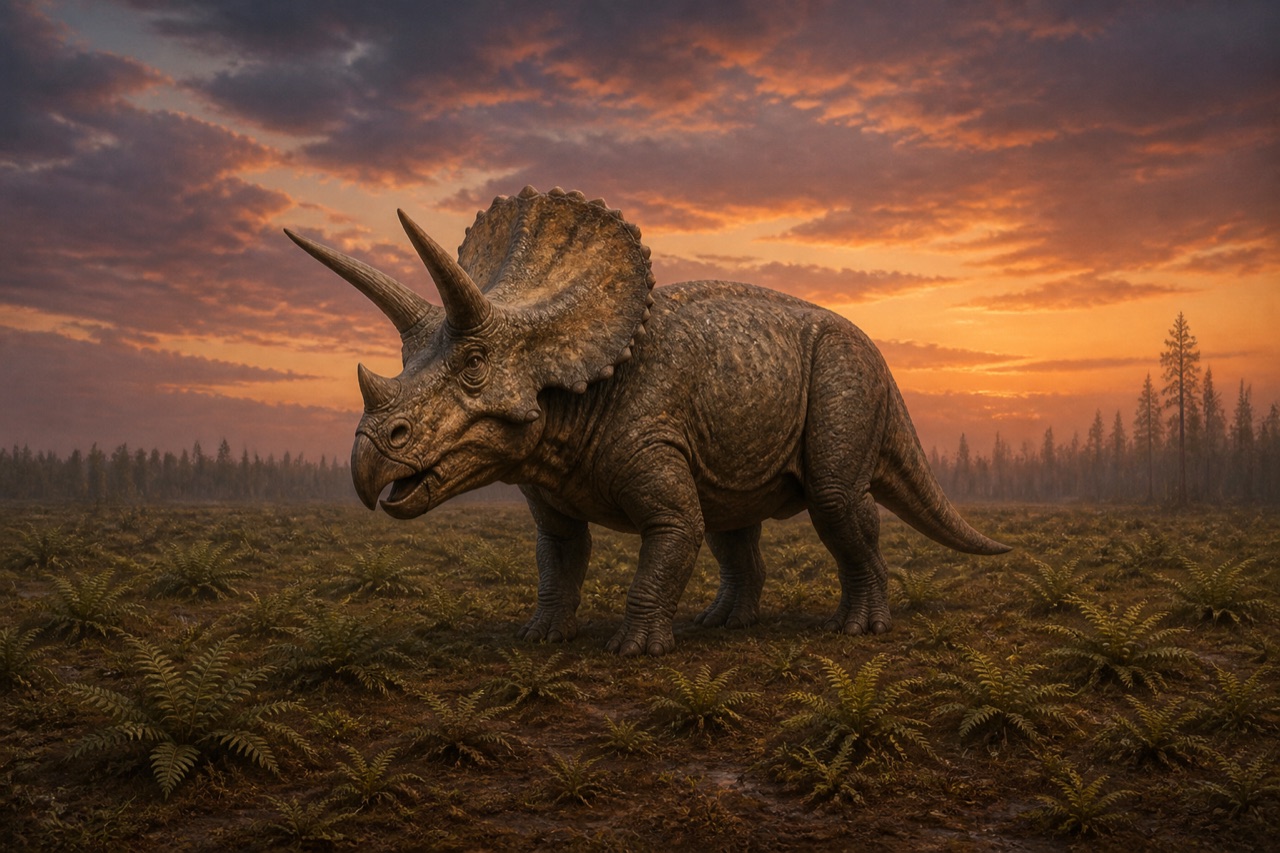
What “dinosaur” means, how they relate to birds, and how scientists sort major branches.
Open overview →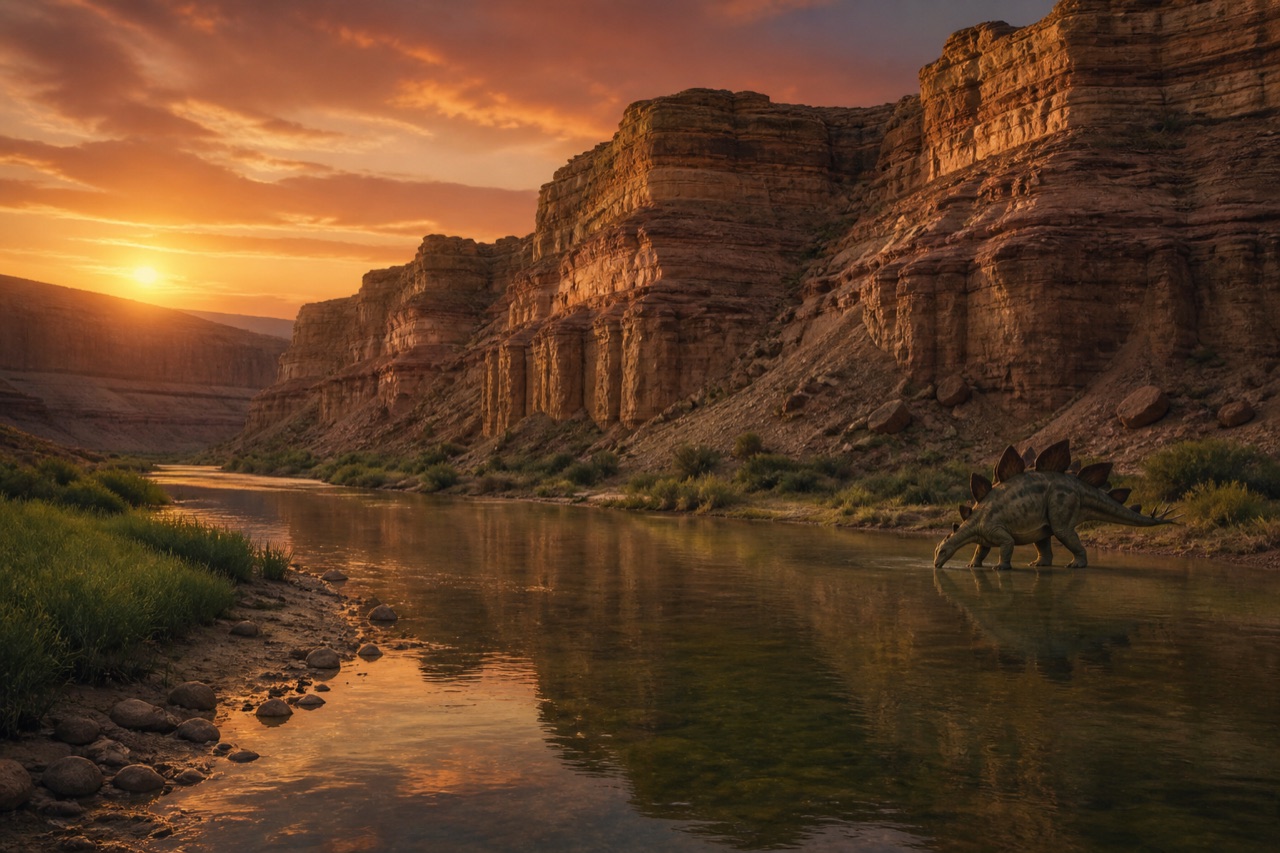
Triassic, Jurassic, and Cretaceous climates, continents, and evolutionary highlights in plain language.
Read periods →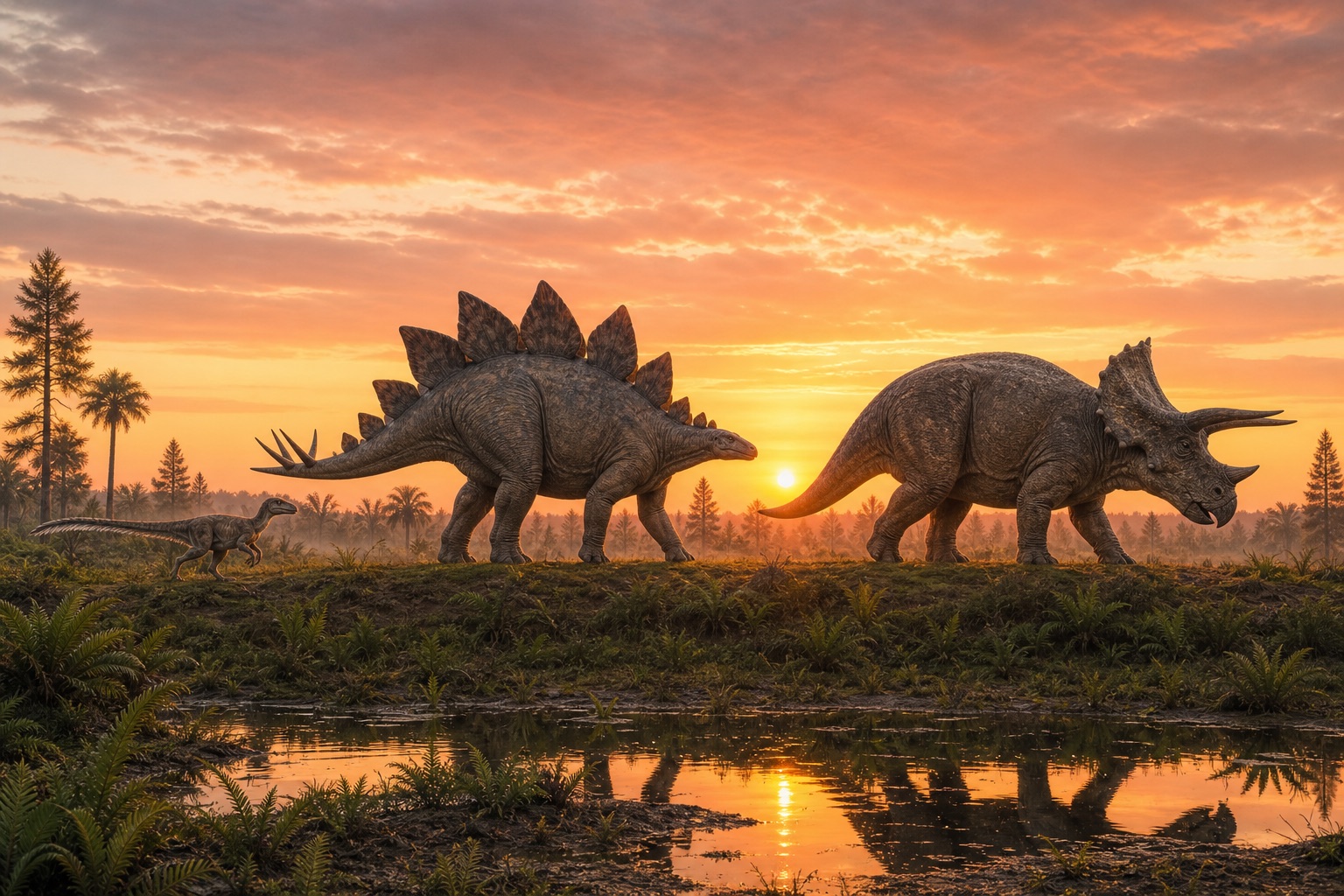
Color-coded ranges for dozens of genera on a single scale—zoom toward the end of the Cretaceous.
View timeline →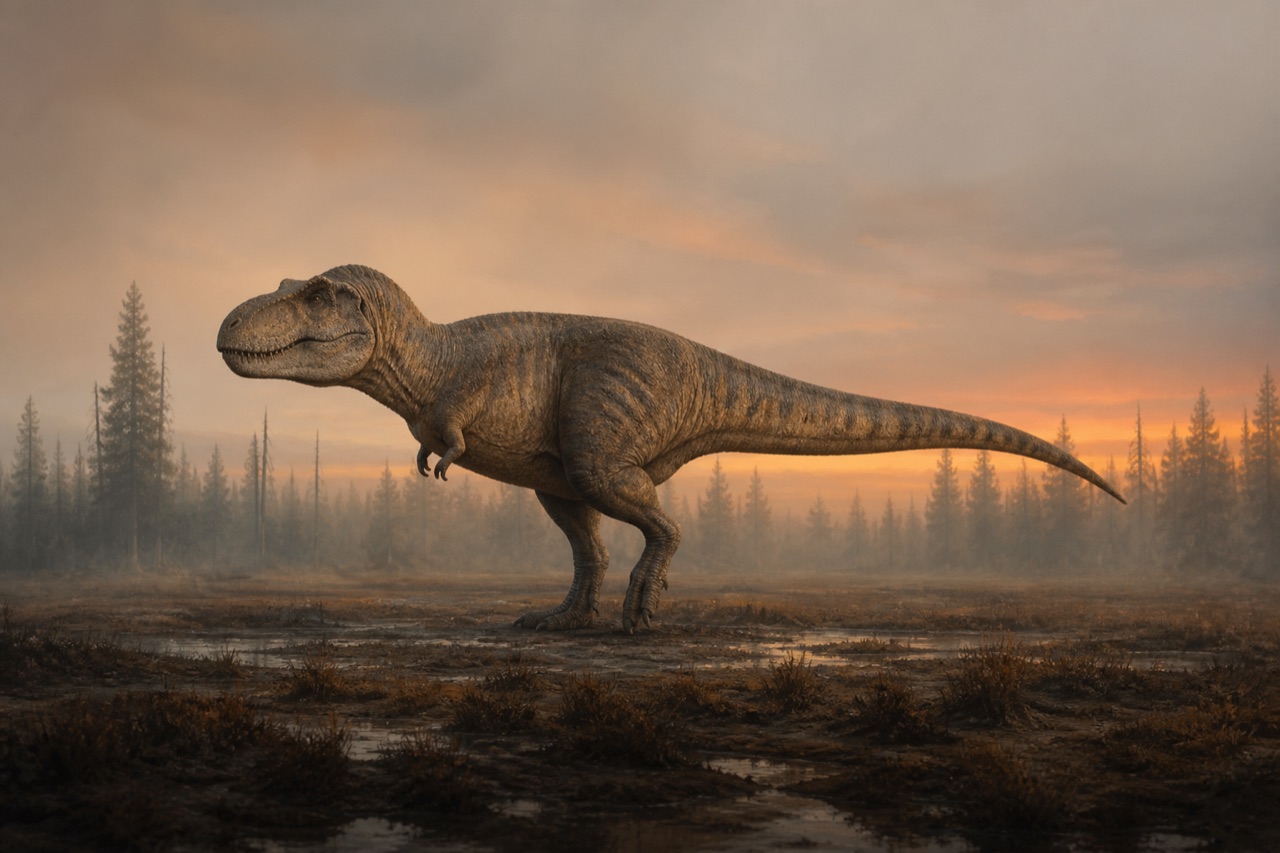
Each genus uses a living reconstruction (life restoration), not a skeleton mount.
Browse species →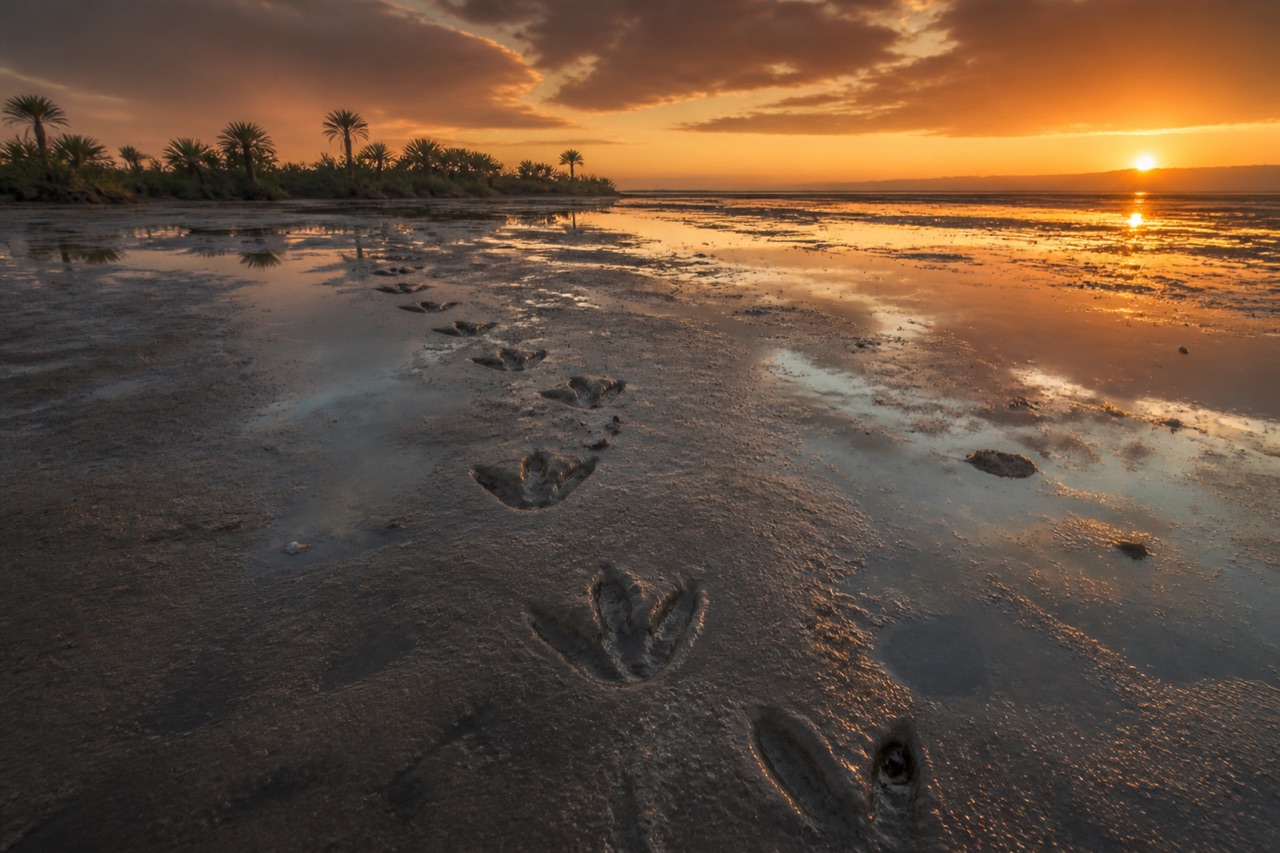
Six questions, eight Mesozoic personalities—just for fun, with a result card and image.
Take the quiz →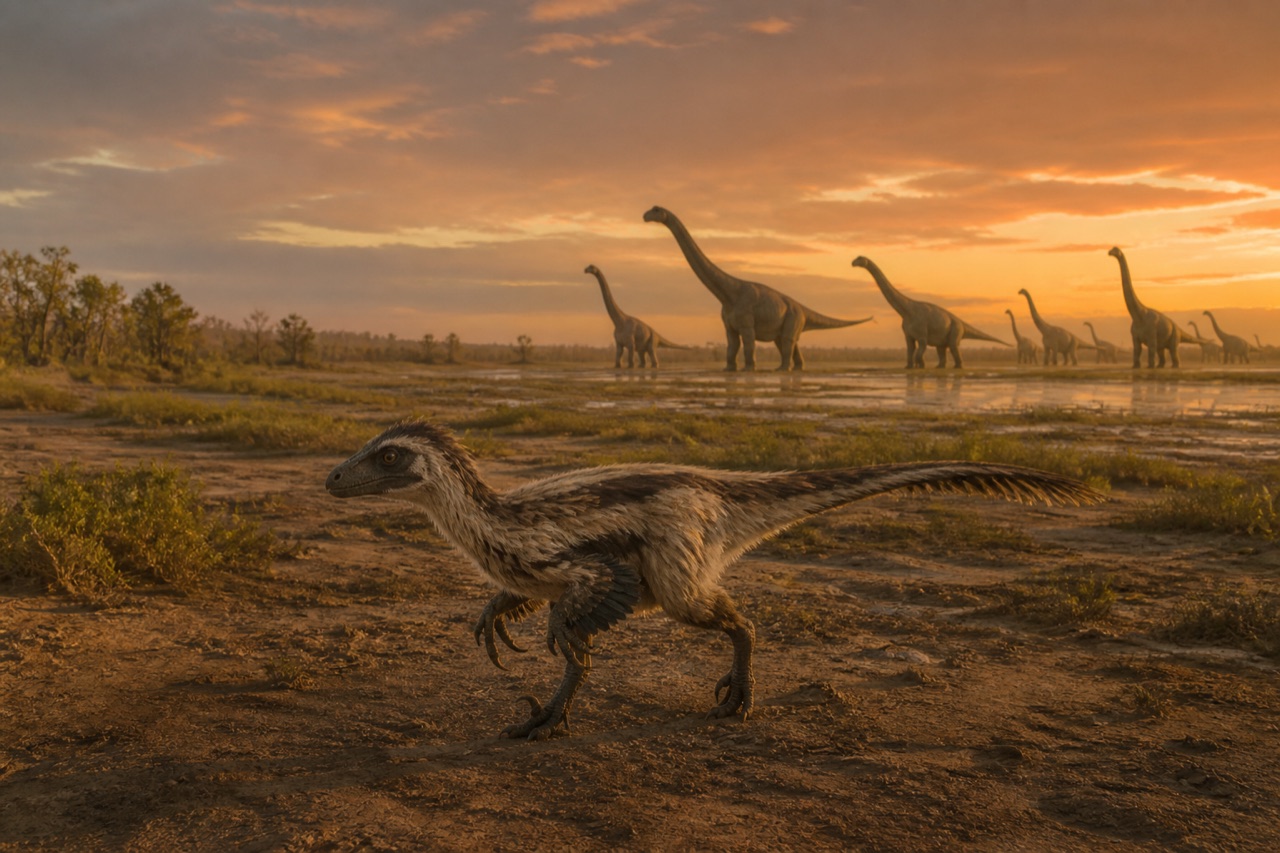
Embedded YouTube picks from educational channels, plus direct links if embeds are blocked.
Watch videos →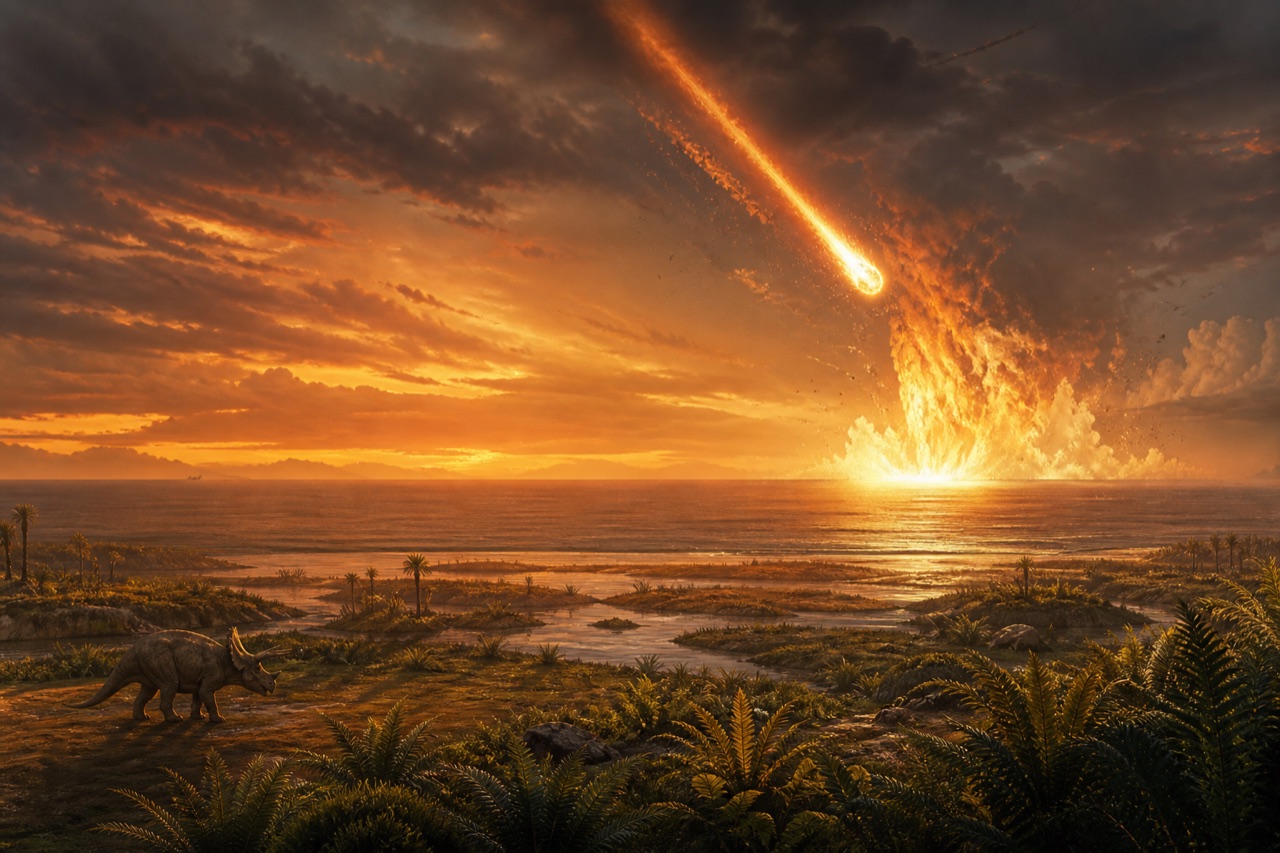
The K–Pg boundary, Chicxulub, Deccan Traps, and what survived into the Cenozoic.
Read extinction →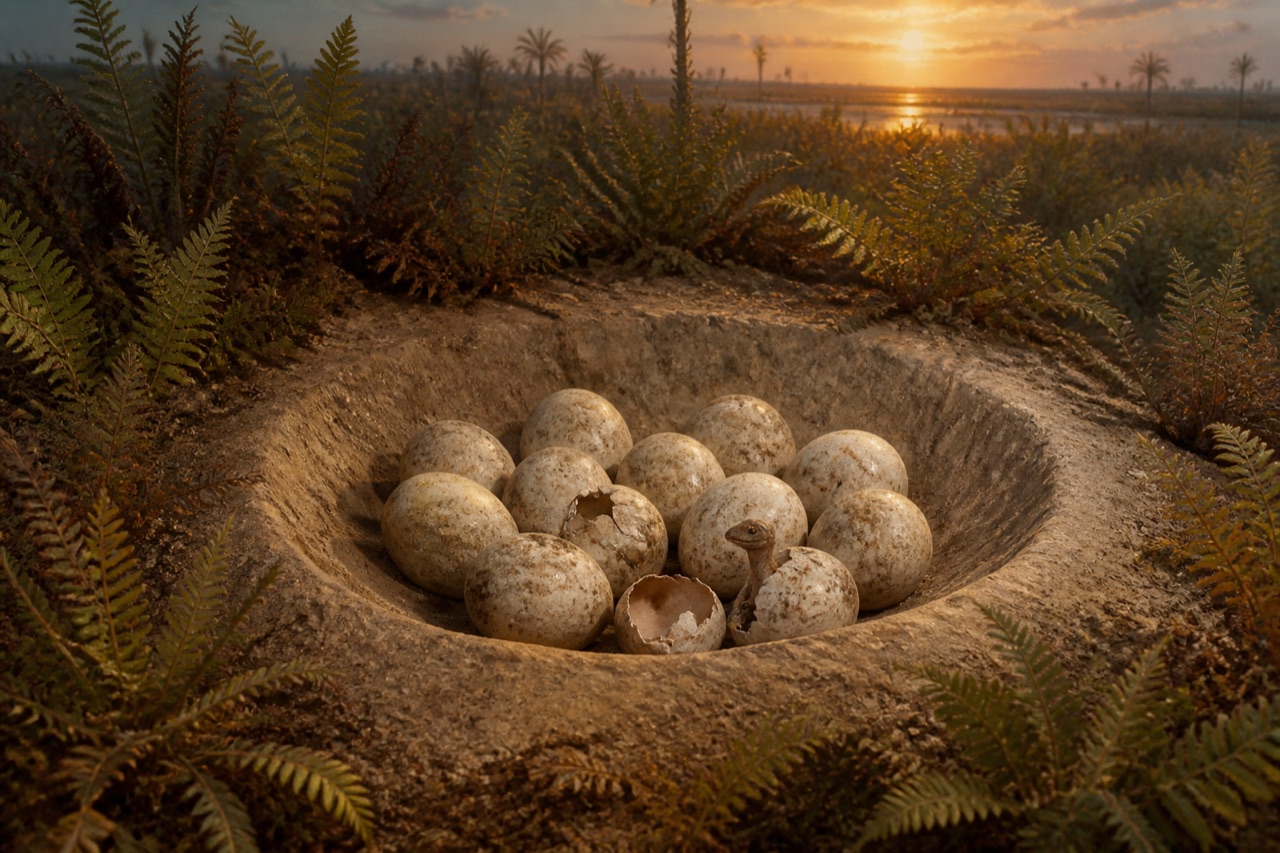
Museums, directories, and long-form series to keep digging after you leave this site.
See links →Dinosaurs are far richer than the usual movie shorthand. These four ideas make the rest of the atlas much easier to read.
Non-avian dinosaurs disappeared at the end of the Cretaceous, but avian dinosaurs survived. In other words, pigeons, owls, penguins and crows are part of the same deeper story as Tyrannosaurus.
The Mesozoic lasted more than 180 million years. Stegosaurus and Tyrannosaurus are often grouped together in pop culture, but they were separated by tens of millions of years.
Bones matter, but so do footprints, nests, eggs, bite marks, bonebeds and even microscopic wear on teeth. Paleontologists reconstruct behavior by combining many kinds of evidence rather than one “perfect” fossil.
The K–Pg event was not just “a rock hit Earth.” It involved impact ejecta, darkness, damaged food webs, climate shocks and a biosphere already influenced by late Cretaceous volcanism.